The Weight of Choice in The Last Laugh
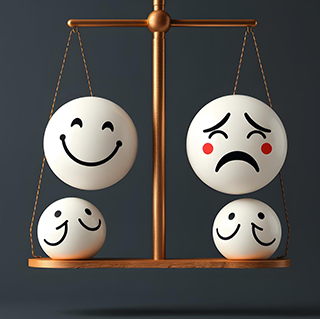
Choices shape every life, and every single choice carries a weight. Not many choices are announced, as some are made intentionally. The Last Laugh, by Paul Stone, describes this theme with unflinching honesty. The book does not treat choice as a dramatic crossroads or a heroic turning point. It presents it as quieter and more deceptive, made amid chaos and humor.
Rather than framing decisions as made in response to events, The Last Laugh reframes them as made out of desperation or for the sake of identity in the midst of chaos. Even though its impact does not come immediately, but rather over time, unannounced and because of accumulation.
Choice Made in Chaos
One of the defining features of The Last Laugh is the environment in which the choices are made, particularly the chaos. The narrator does not operate from a place of visibility or stability; the chaotic environments often shape the choices, where unpredictability prevails at all times. Emotional volatility, social pressure, impulsivity, and the desire to escape discomfort shape some of the choices made out of desperation.
In such conditions, choices rarely feel monumental. They feel necessary, amusing, or consequential in the moment. Paul reframes the choices as made without proper judgment; the weight of them would feel lighter in their initial lifeline, but later in life, they get heavier as time passes. What once felt like a joke would eventually become a consequence.
This perspective challenges readers’ integrity in the choices they have made. The Last Laugh does not absolve its narrator of agency, but it does complicate the idea that choices are always made with full awareness or control.
The Illusion of “Small” Decisions
A recurring theme of the book is that some choices are small enough not to matter. Paul dismantles this belief by showing how seemingly minor decisions – what to ignore and what to joke about- can impact life in significant ways.
The book emphasizes that not all choices announce themselves as pivotal. Many arrive quietly, disguised as habits or coping mechanisms. Over time, these choices form patterns, and those patterns harden into identity.
This gradual accumulation is one of the most unsettling aspects of The Last Laugh. There is no single moment where everything goes wrong. Instead, there is a slow drift – one decision reinforcing the next until the weight becomes undeniable.
Choice as Self-Definition
In The Last Laugh, identity is not something discovered through introspection alone; it is constructed through repeated choices. The narrator becomes who he is not through intention – but through action – often impulsive, sometimes reckless, and frequently defensive.
The book suggests that identity is shaped less by what we believe about ourselves and more by how repeatedly we make the choices in our lives. Over time, these choices create a version of the self that feels both familiar and uncomfortable.
What makes this explanation compelling is the narrator’s awareness. He recognizes the gap between who he is and who he might have been. Yet awareness does not immediately lead to change. Instead, it adds another layer of weight – the burden of knowing without acting.
Humor as a Choice
The Last Laugh includes the humor as armor that shields the weight of the choices behind it. The book treats humor as a choice made to mask the insecurities most people carry. The narrator chose laughter and sarcasm to navigate the chaotic crossroads.
The book also portrays this kind of humor as something to avoid, given what the choices carry in the future, which are not revealed until later. Much like real life, most people make choices and joke that it will not matter in the future. The Narrator uses humor to believe his choice will not matter in the future.
The true nature of humor is a matter of choice. On the one hand, it is a shield that is easier to hold; on the other hand, it is a mask that covers the truth about those choices, which would linger in the future.
The most insightful feature of The Last Laugh is that it frames the consequences of those choices as being rarely immediate but relatively moderate. It often reveals itself later on without announcing itself.
Responsibility without Redemption
Many memories frame responsibility as a path to redemption. The Last Laugh does not frame the journey that way; it presents the cost with the conclusion without resolution.
It reflects a more profound honesty about human behavior, as understanding sometimes does not lead to redemption or change, but awareness can still exist despite repetition.
By avoiding a redemptive conclusion, the book honors the complexity of choice. It acknowledges that some decisions cannot be undone, only carried out.
The Emotional Cost of Awareness
As the narrator becomes more aware of the weight of his choices, the emotional cost increases. Self-awareness brings clarity, but also regret and a lingering frustration. The book does not romanticize this process but presents the cost of choices to be heavy.
This portrayal resonates because it reflects reality. Most people make such choices, believing it will not matter, but later the weight it builds becomes too heavy to carry, as they have altered their lives temporarily or sometimes permanently.
The Last Laugh allows this grief to exist without resolving it; reinforcing the idea, that maturity often involves learning to live with complexity rather than eliminating it.
Carrying the Weight Forward
In The Last Laugh, Paul Stone does not ask readers to judge his choices. He asks them to witness them – and to recognize how weight accumulates, quietly and persistently.
The book’s power lies in its refusal to simplify. It acknowledges that choices matter, even when they are made lightly. That awareness does not erase consequences. In addition, living with the weight of one’s decisions is often the most honest form of survival.